
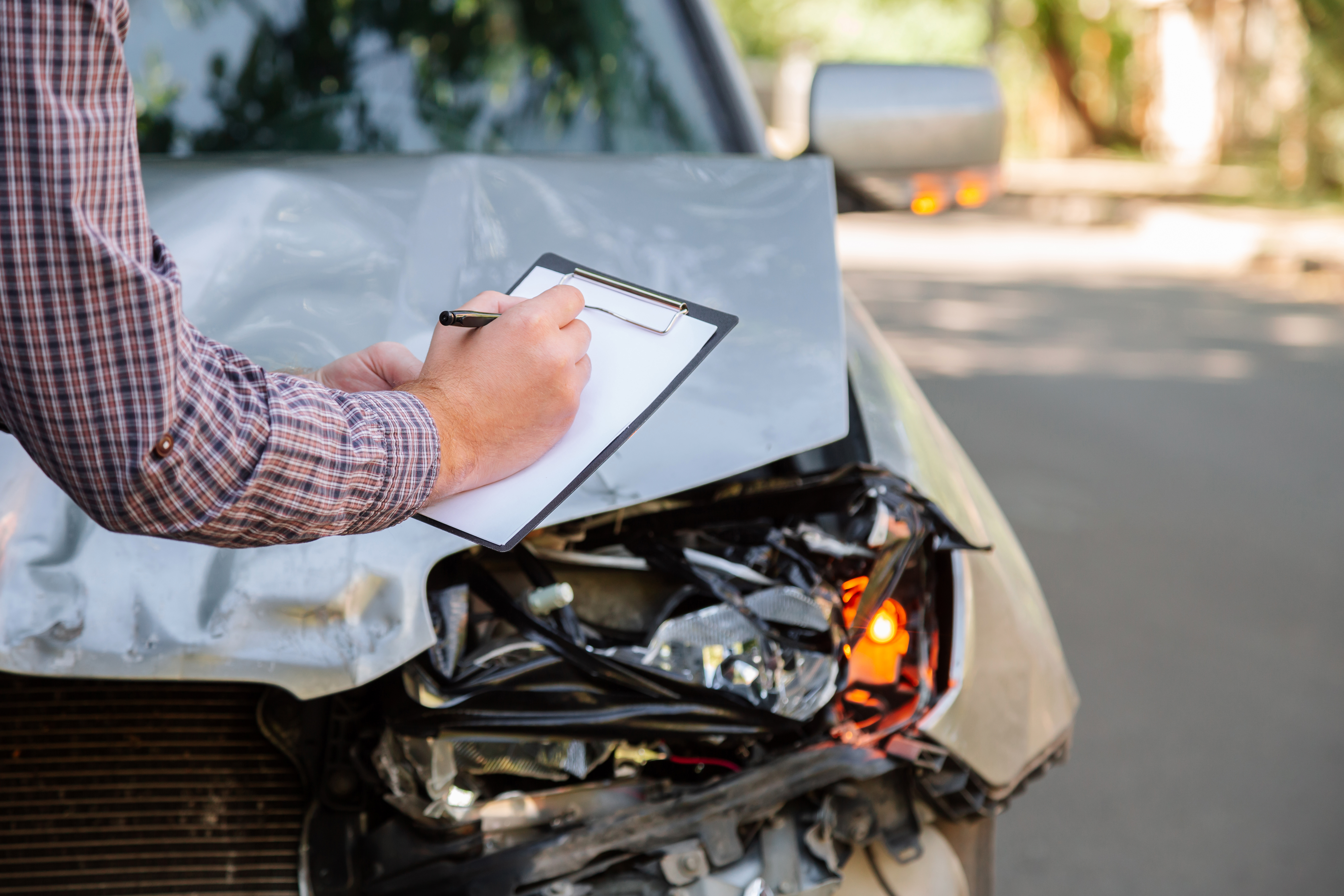
Understanding Employer Liability for Car Accidents
When it comes to employees driving for work, whether using company vehicles or their personal cars, employers often share the legal and financial responsibility in case of accidents. The principle of respondeat superior, meaning 'let the master answer,' holds employers accountable for employees' actions if these occur during work-related tasks such as deliveries, client meetings, or company errands. However, if the driving is for personal reasons, under the influence, or during commutes, the liability typically falls on the employee's individual insurance.
Prevalence of Work-Related Vehicle Accidents
Work-related car accidents are significant contributors to workplace injuries and fatalities nationwide. Thousands of employees face injuries annually due to vehicle incidents, leading to substantial work time loss. These accidents often stem from everyday risks like distracted driving, speeding, fatigue, or poor vehicle maintenance. Additional pressures in work-related driving—like tight schedules and unfamiliar routes—heighten these risks. Therefore, it's crucial for employers to maintain vehicles meticulously, provide proper driver training, and set realistic expectations to reduce risky driving behavior.
Coverage Through Workers' Compensation
Employees injured in a vehicle accident during their job are generally covered by workers’ compensation benefits. This no-fault system caters to medical expenses, rehabilitation, and part of the lost wages, even if the accident was their fault. Workers' comp does not include pain and suffering, but employees may file separate claims against negligent parties involved. Employees using personal vehicles can claim workers’ comp, but their own insurance covers vehicle damages.
When a Company Car Is Involved
In cases involving company vehicles, employer liability varies based on circumstances. Companies often carry insurance that covers third-party injuries and property damage. However, if an employee is off duty, intoxicated, or breaching company policy, they may face personal legal consequences, including financial and disciplinary actions. Liability may be shared if the company failed in aspects like driver training or vehicle maintenance.
Assessing Fault and Legal Protection
Determining fault in accidents with company vehicles requires examining the employee's intent during the accident, company policies, and applicable insurance coverages. Understanding these details is beneficial for both employees and employers as they influence financial obligations, injury compensations, and legal protections after a work-related accident.